Hello, UMAC
I pulled this page together specifically for the Creative Studio team. It includes a new invitation and correspondence concept created for this application, along with a mix of older and more recent work that touches on invitations, events, print production, specialty materials, programs and formal communications. Some of it goes pretty far back; some of it I’m still making today.
I thought it would be more useful to show the range together than to pretend my experience fits neatly into one category. The common thread is figuring out the right tone, organizing a lot of details, and carrying the work through to something that can actually be produced.
Project 01
A Conversation About Craft
I put together this speculative invitation and correspondence set as a way to think through the role in real terms: tone, hierarchy, etiquette, production, paper, envelopes, reply pieces, place cards and follow-up correspondence.
It isn’t intended to mimic an existing UT system. It’s simply a design exercise built around a semi-formal academic event and the idea that an invitation should feel considered before it is even opened.
At A Glance
Speculative Invitation + Correspondence Suite


Two-color offset
For a larger run, I’d explore two-color offset on a lightly textured uncoated cover stock that can hold a dense solid cleanly. The dark panel would print as a custom deep inky-blue spot color, with UT burnt orange as the second ink. The script Craft would be blind embossed, then the piece would be scored and folded. Offset would give the best control over the solid blue, the most accurate spot color, and the most traditional ink-on-paper feel.
HP Indigo digital
For a smaller event, I’d explore HP Indigo on an Indigo-certified textured uncoated stock such as Fedrigoni Tintoretto Gesso or X-Per Digital. The goal would be to keep the blue rich while preserving the character of the paper and avoiding the heavier sheen that can come with some dry-toner processes. The orange would be built digitally rather than printed as a true PMS spot color, so I’d want to proof the color and large blue flood on the actual stock before production. Embossing, scoring, and folding would still be handled as separate finishing steps.

Project 02
Earlier Print Work
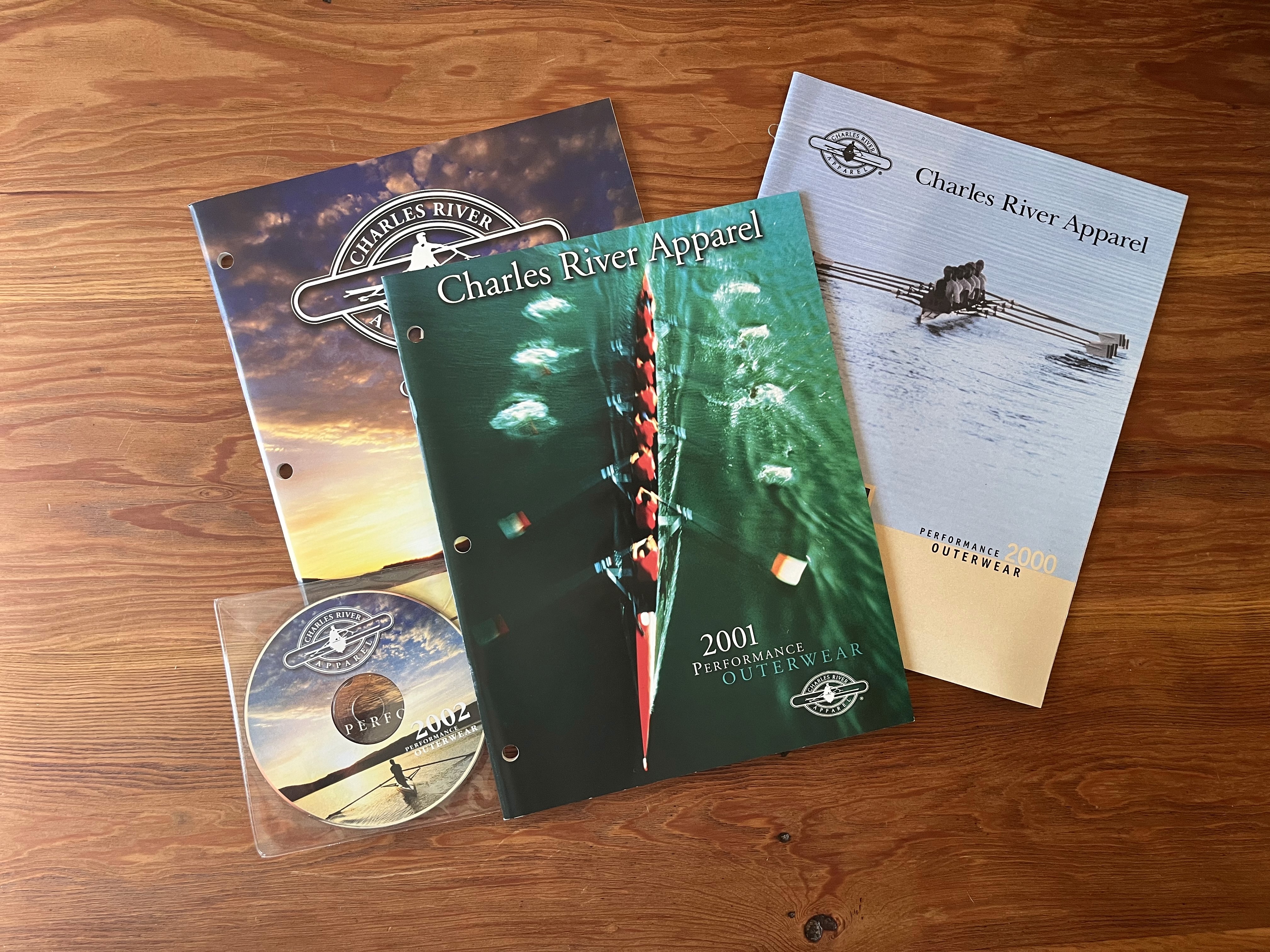
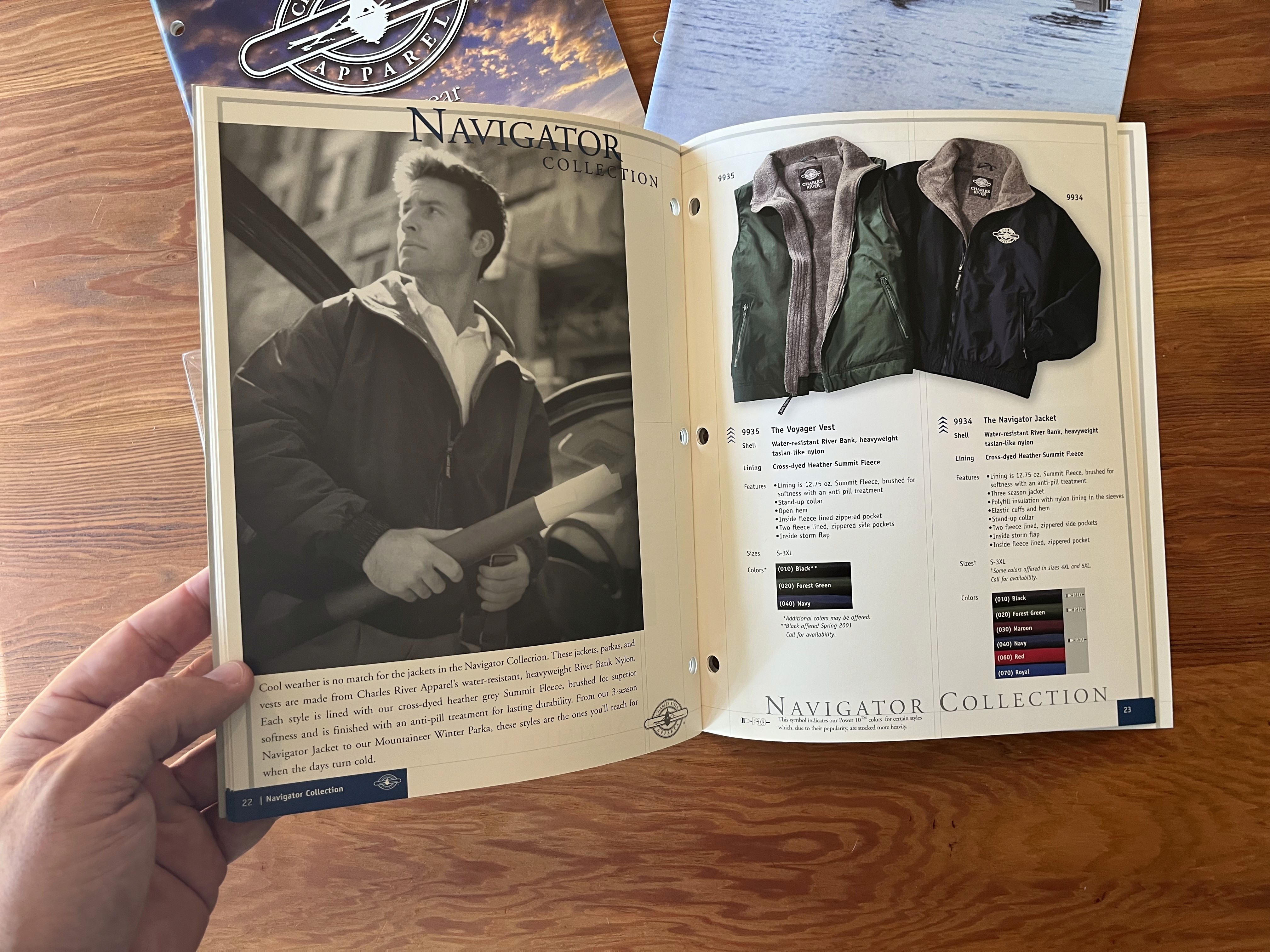
Early in my career, I worked on everything from invitations and stationery to gallery publications, commercial brochures and product catalogs. Much of the work came out of a small Boston design firm, where being a designer also meant understanding how the thing would actually get made—selecting paper, preparing production files, working directly with printers, attending press checks and occasionally specifying embossing and other specialty finishes.
The visual language belongs to its time, but the production experience still feels very familiar: typography, image reproduction, color, paper, finishing, binding, envelopes and the physical experience of the finished piece.
At A Glance
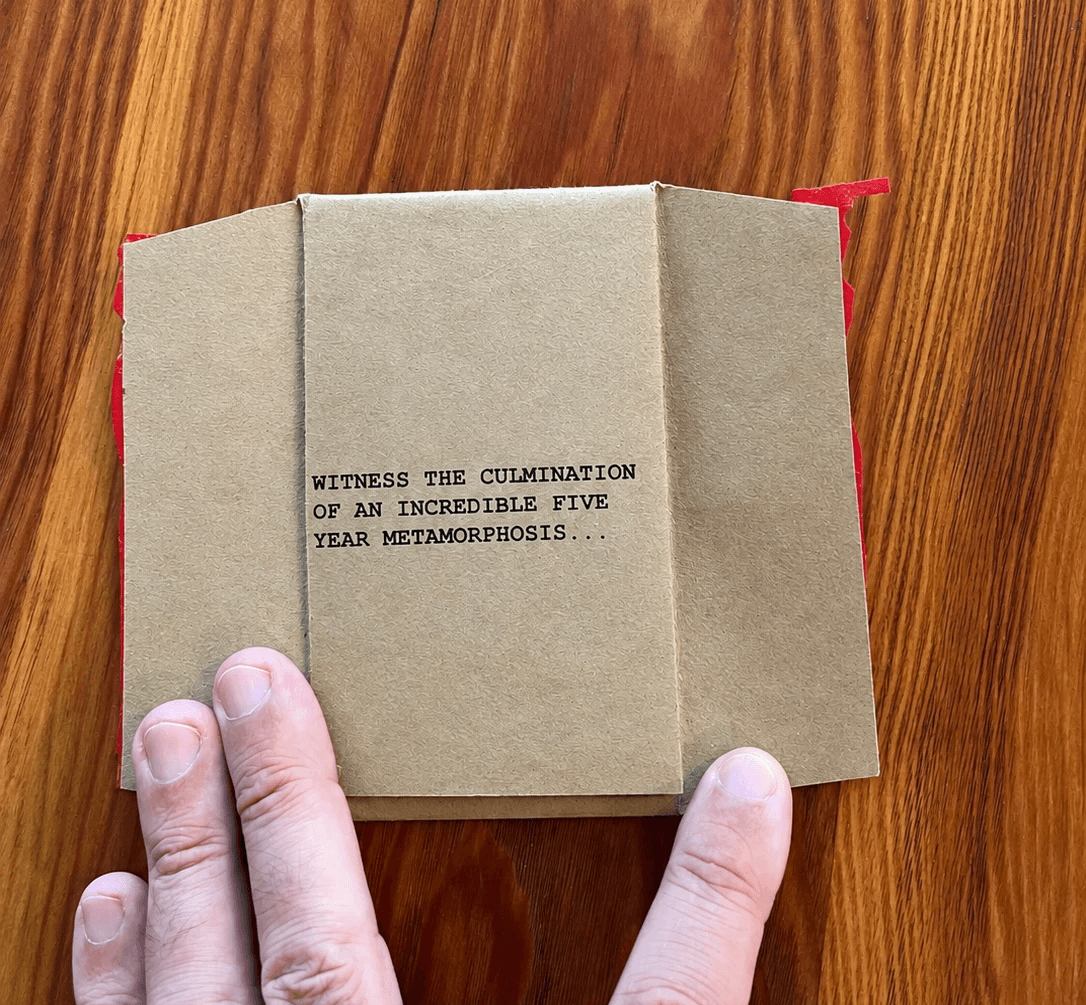
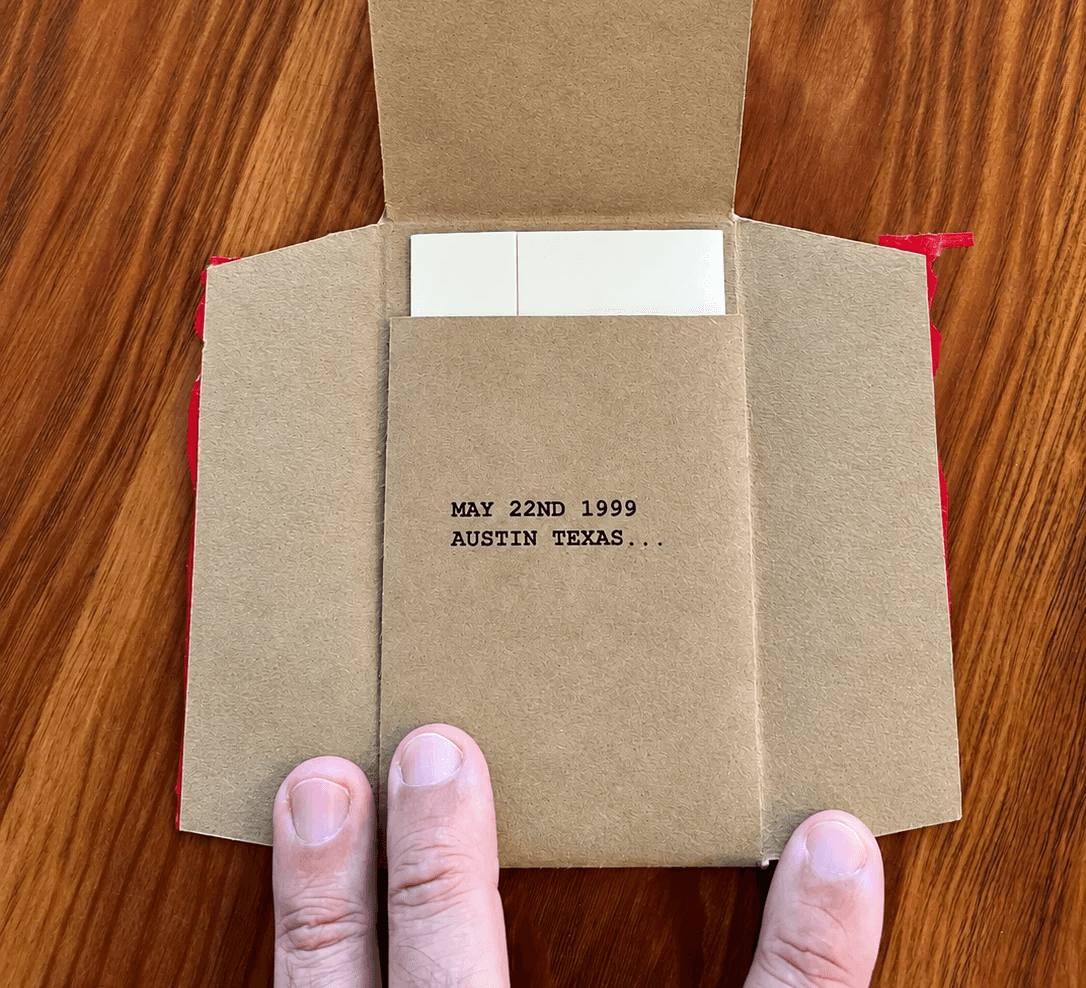
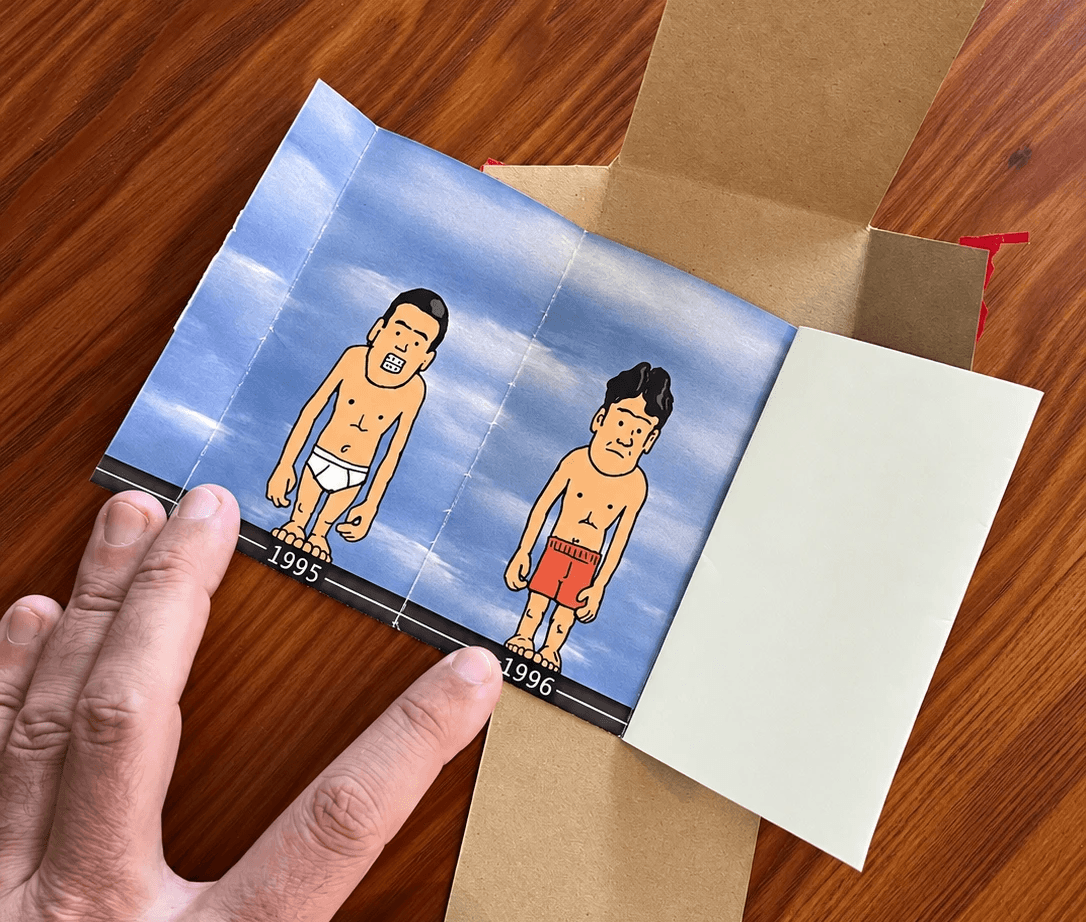
My graduation invitation (c. 1999)




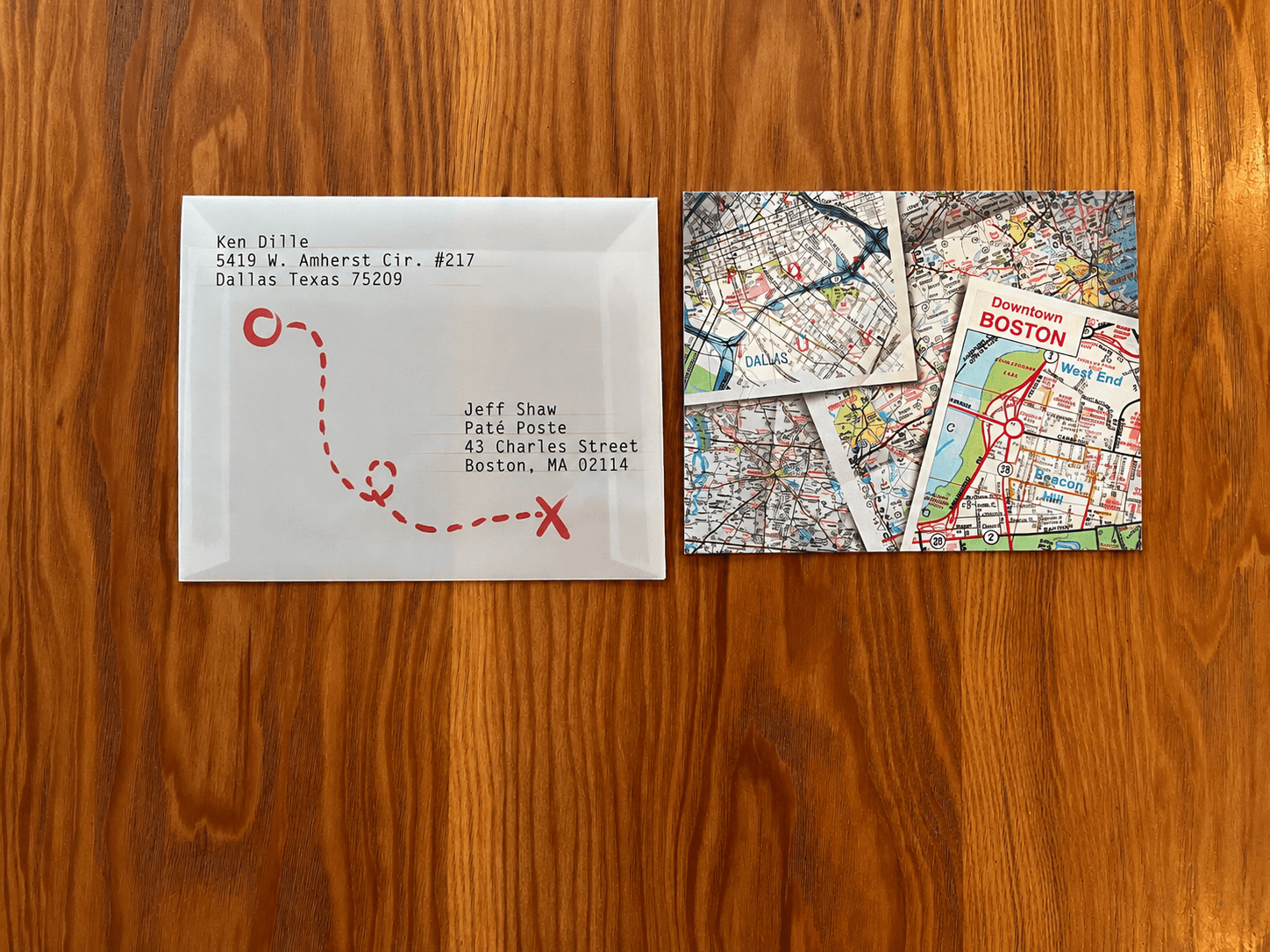
Thank you note (c. 2000)


Stationery + Wedding Invitations


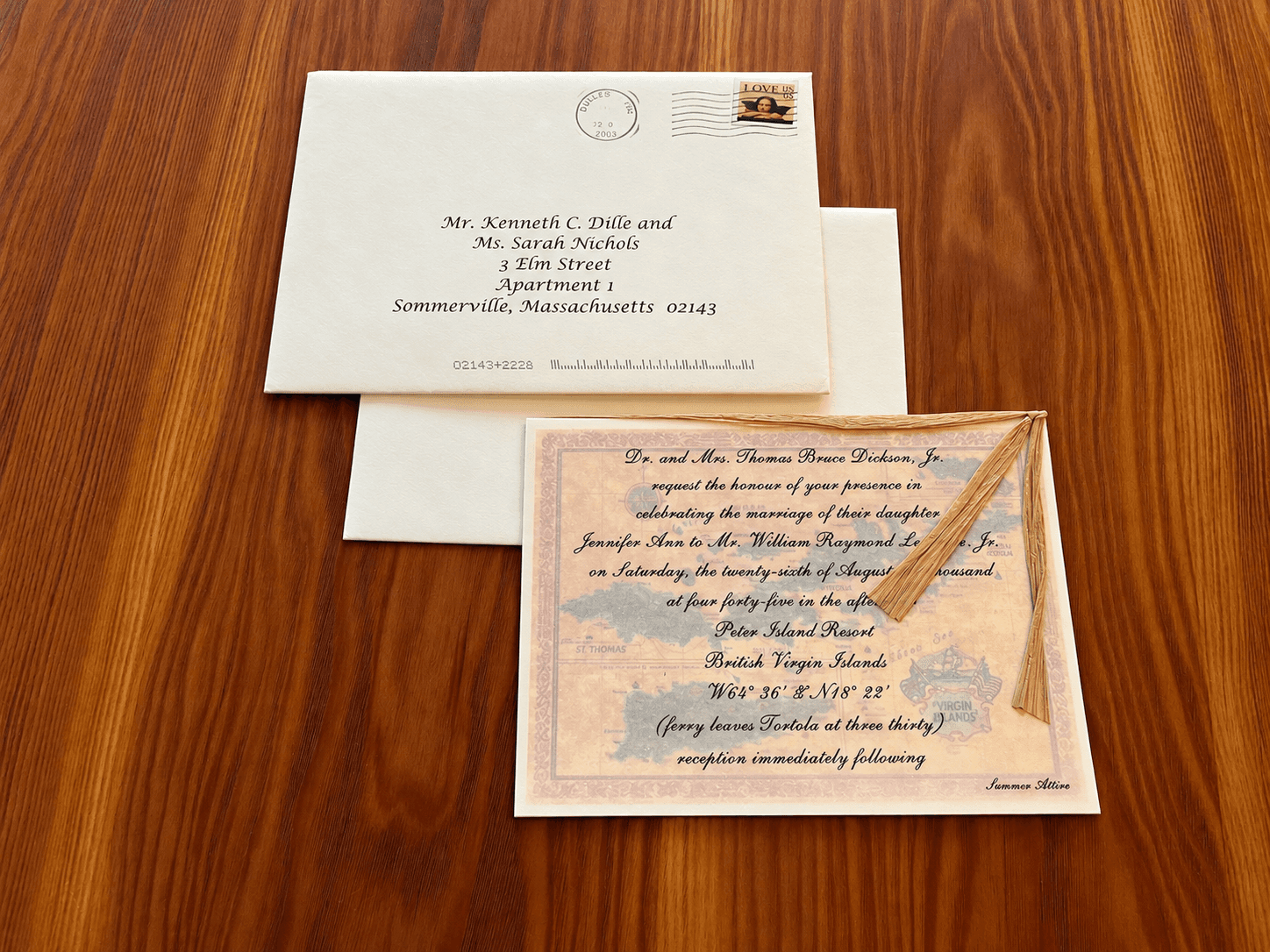

Printed pieces through the years


Brochures + Catalogs



Project 03
ToxStrategies
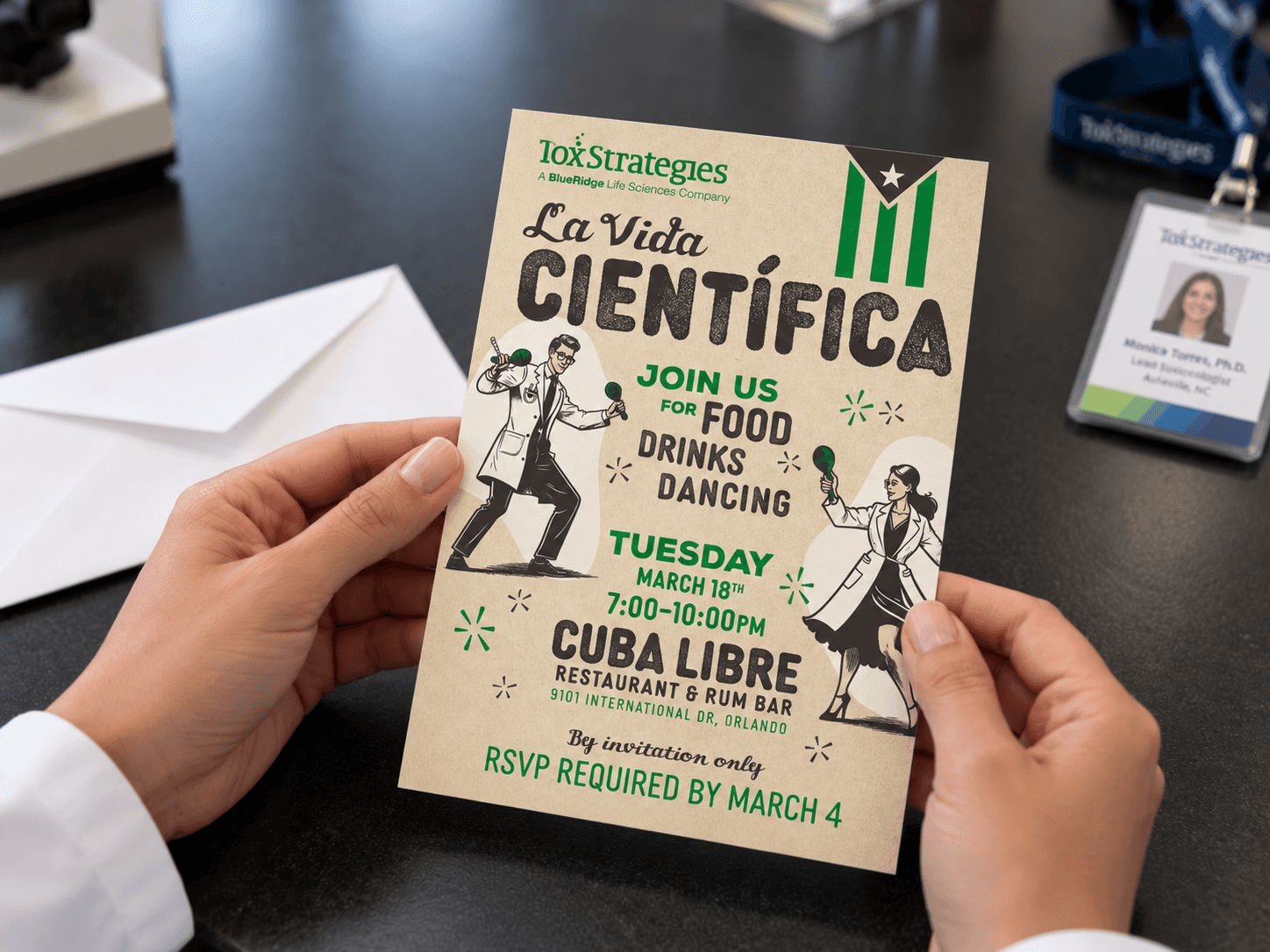
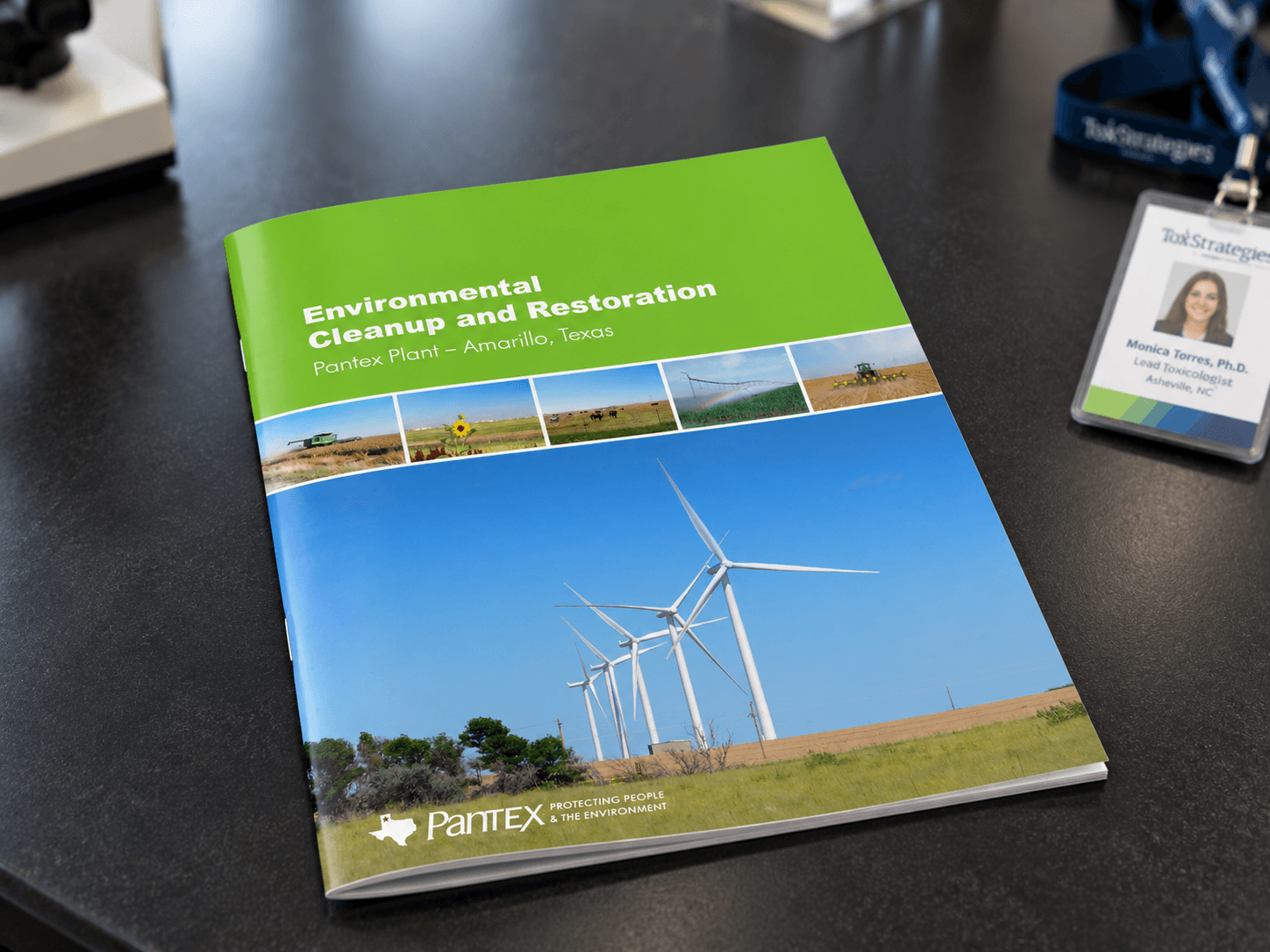
I’ve supported ToxStrategies across branding, scientific communications and events for years. That has included conference invitations, an 80-page symposium program for the International Symposium on Dioxin, and a public-facing brochure for the Pantex Plant.
The work ranges from playful event invitations to highly technical publications, but the common thread is accuracy: dense subject matter, long scientific terms, detailed schedules, careful hierarchy and multiple stakeholders.
At A Glance
Invitations and Event Support



Project 04
CompassLearning
This project required coordinating paper, plastic and metal components produced by different vendors on a tight timeline. I specified spot colors and white ink, prepared production files, and worked through the challenge of maintaining consistent color and alignment across different materials and printing processes.
It was a good reminder that the design is only as successful as the finished object.
At A Glance
Invitations and Event Support


Project 05
RBJ Residences
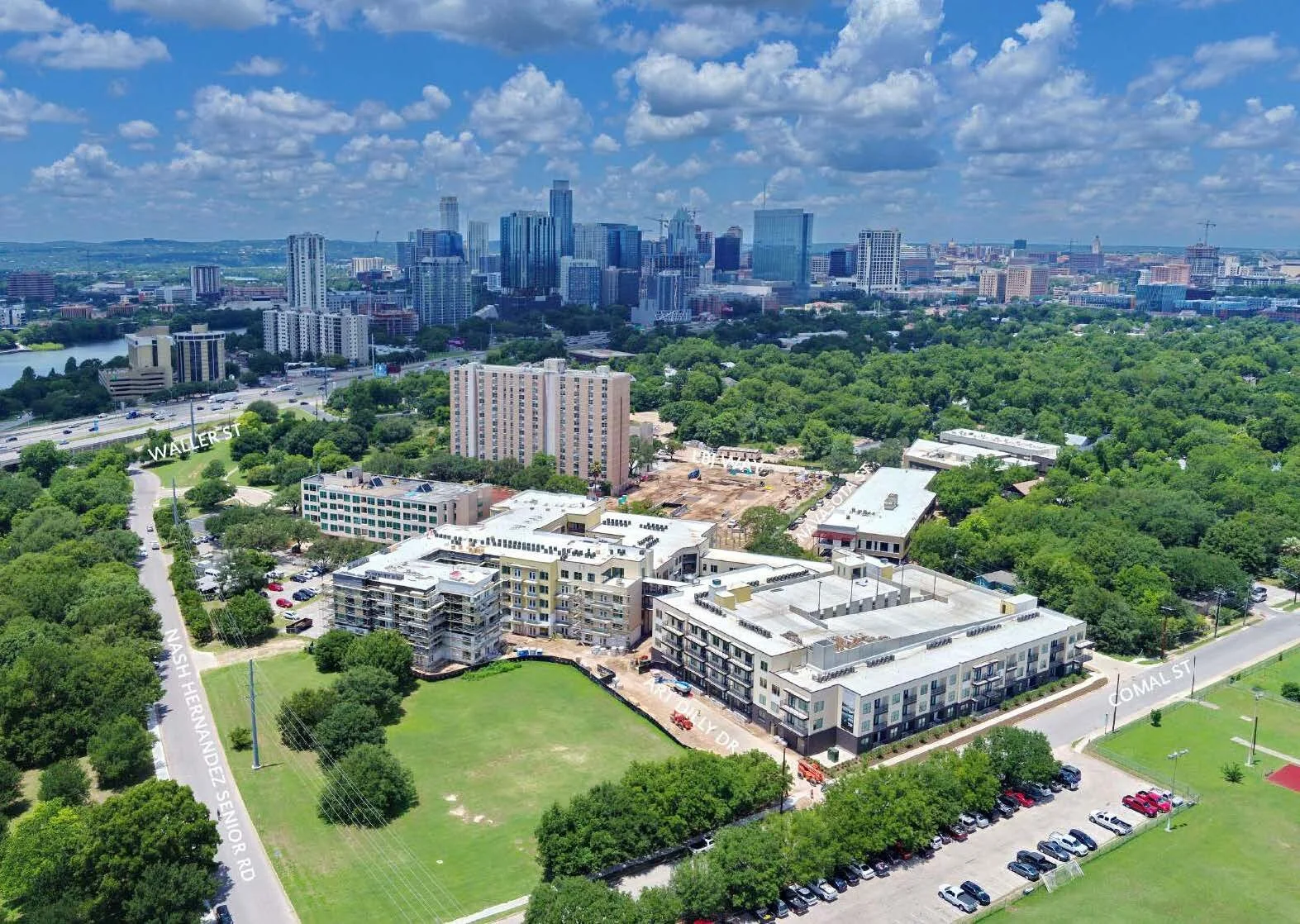
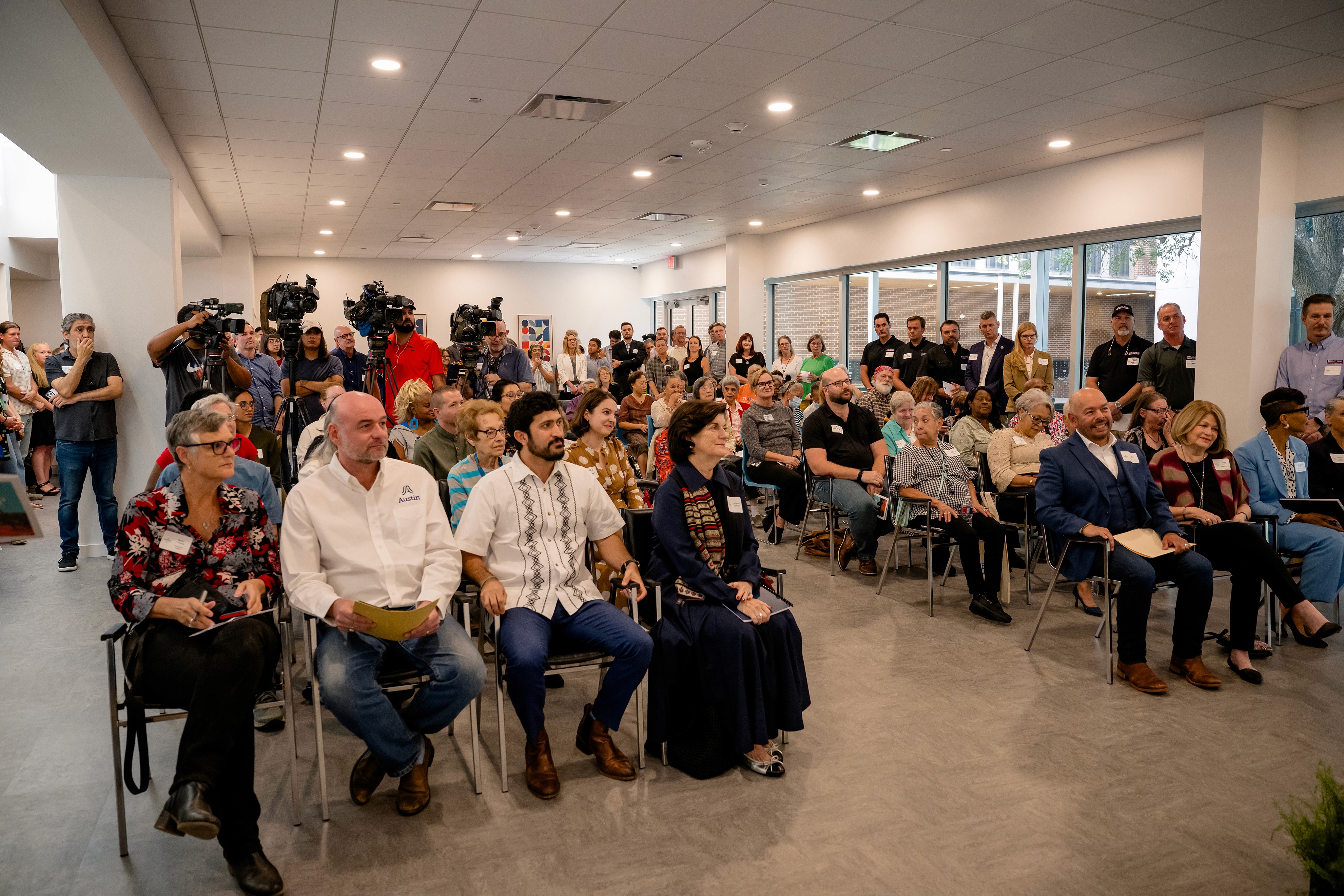
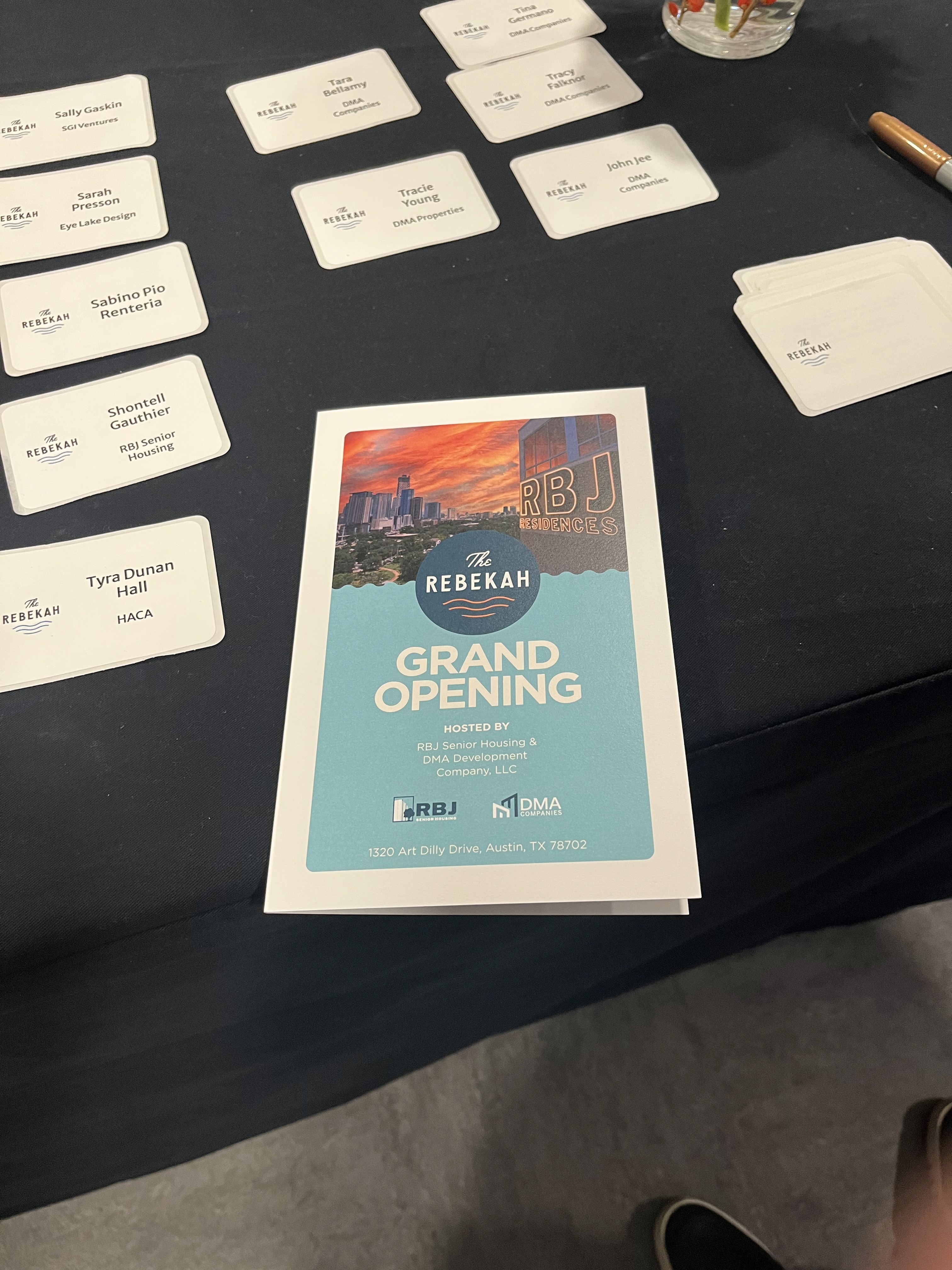
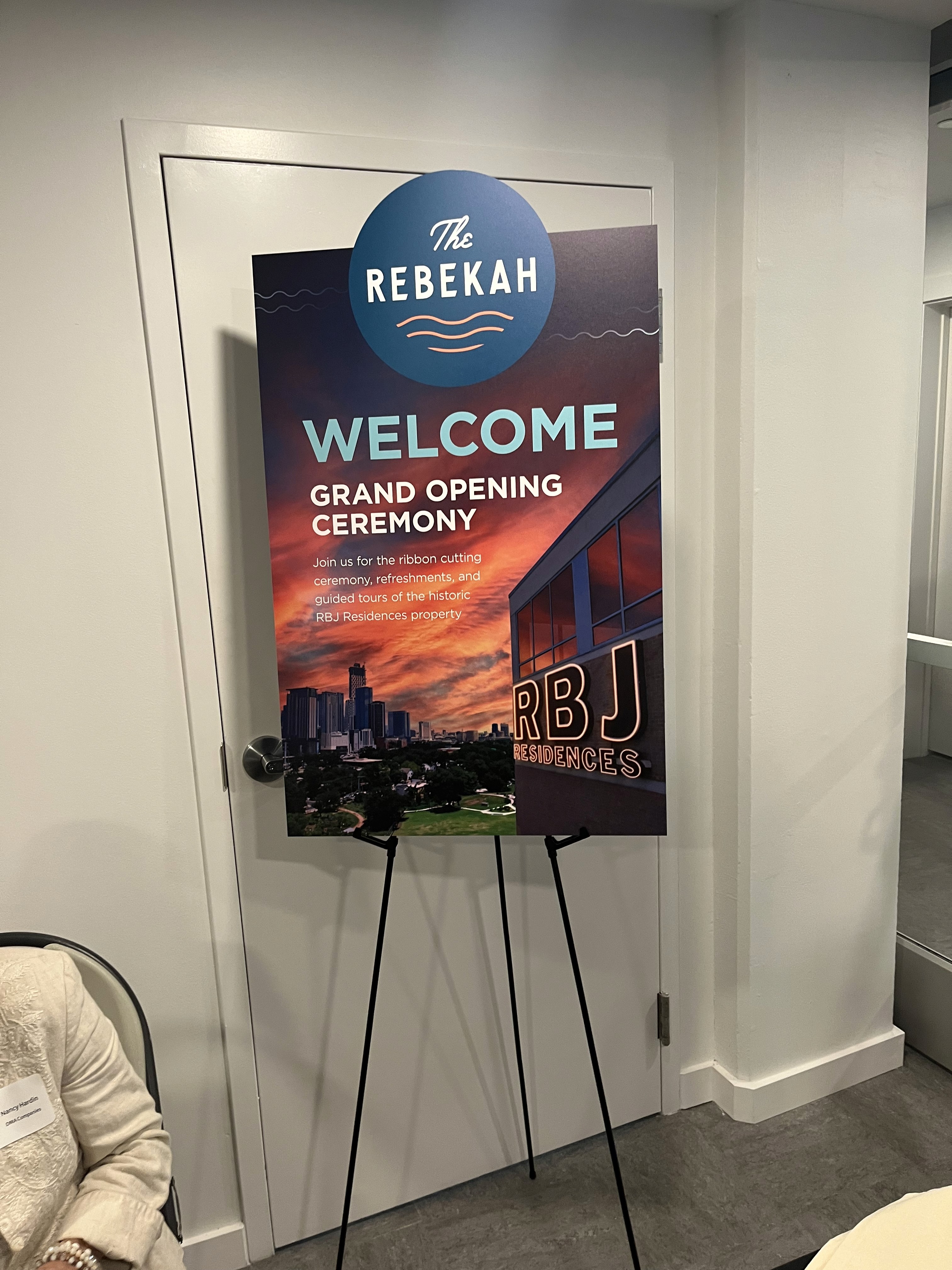
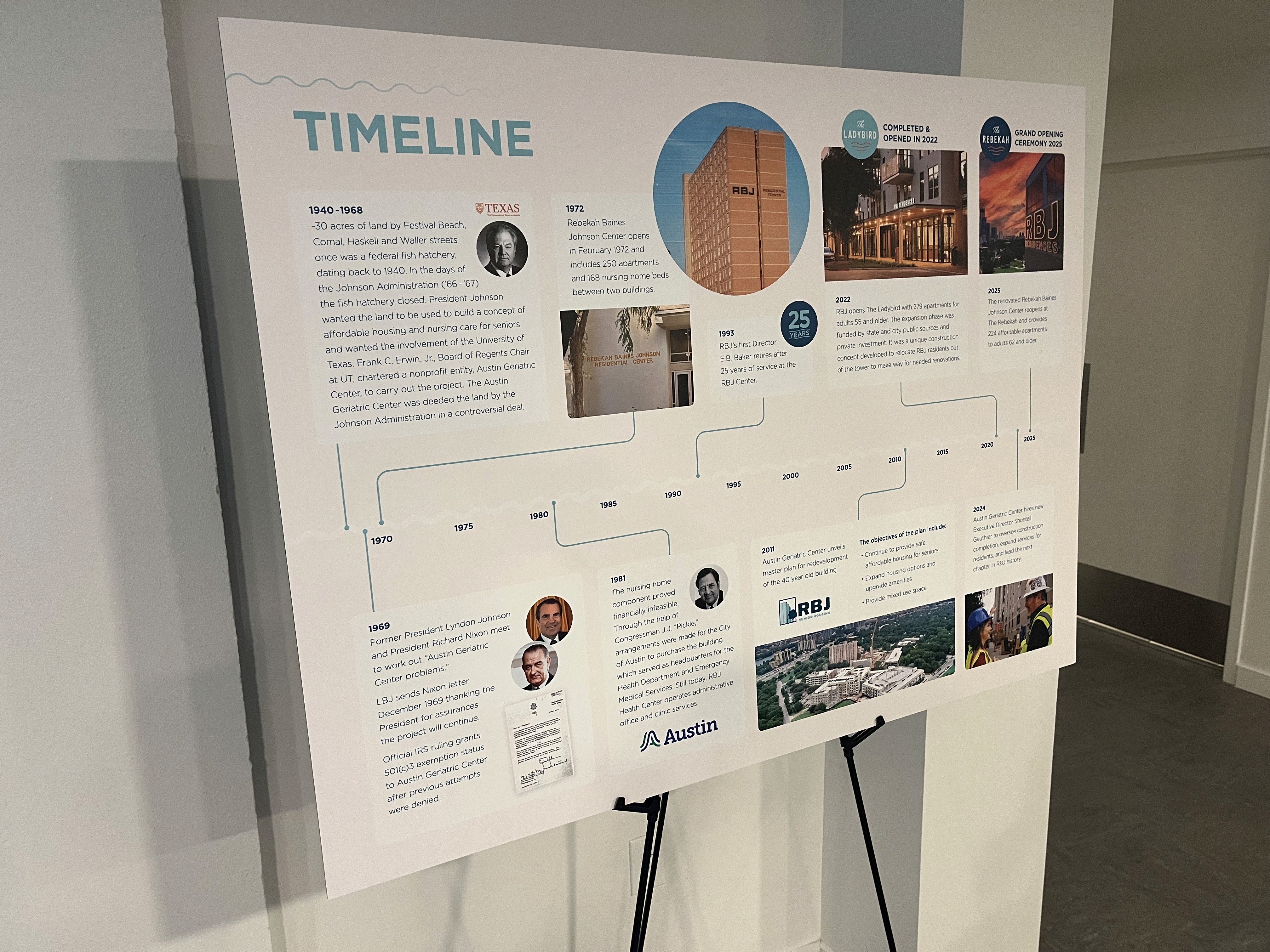
I’ve supported RBJ across print, events, wayfinding, fundraising and community communications. For the grand opening of The Rebekah, I designed the event program and related display materials, working within an established identity while creating a clear, celebratory event experience.
At A Glance
Redevelopment of historic residential tower

Event Program + Posters


Grand opening of The Rebekah


Thank you!
Thanks for taking the time to look through all of this. I had fun putting it together, and I’d enjoy the chance to continue the conversation.

Whether it’s one thing that needs fixing, a bigger project to figure out together, or ongoing creative support, there’s more than one way to work together.
A la carte
Sort it out.
Got a specific design problem or something that needs making? Bring me in, we’ll sort it out, and get it across the finish line.
Project based
Make it happen.
Got a larger project with a lot of moving parts? I can work with you from early thinking through production, and final delivery.
Retained
Keep it moving.
Need steady creative support over time? I can plug in, learn how your team works, and help keep the work moving forward.
Not sure where your project fits? That's okay.
Got a project, a problem, or just a question? Send it my way.
What kinds of projects do you take on?
Branding, websites, campaigns, presentations, publications, events, information design and plenty of things that don’t fit neatly into a category.
What if I’m not exactly sure what I need?
That’s pretty common. We can start with the problem, the audience and what you’re trying to accomplish, then figure out the right thing to make.
Can you work with our existing brand?
Absolutely. Not every project needs a rebrand. I’m just as comfortable working inside an established system as I am helping build one from scratch.
Can you work with our internal team?
Yes. A lot of my work has been done alongside marketing teams, writers, developers, subject-matter experts and other designers.
Do you take ongoing or contract work?
Yes. That can mean a recurring stream of projects, embedded support for a team, or simply being someone you can call when things get busy.
Do you build the websites you design?
For the right projects, yes. I currently build in Framer and Squarespace, and can also collaborate with developers when a site needs something more custom.
How much does a project cost?
It depends on the scope. Some projects are straightforward; others need more discovery, content, production or collaboration. Once I understand what you’re trying to do, I can recommend an approach and provide an estimate.
How long does a project take?
That varies too. A focused project might take a couple of weeks, while a larger brand or website can take several months. We’ll establish timing before the work begins.
Do you only work with clients in Austin?
No. I’m based in Austin, but I work with people wherever the project happens to be.
What if my project doesn’t fit one of these categories?
Good. Some of the most interesting ones don’t. Bring me the problem and we’ll figure out what it needs.